Nanotechnology: The Science of the Infinitesimal

Discover the fascinating world of nanotechnology, where scientists and engineers manipulate matter at the atomic and molecular scale. This cutting-edge field is revolutionizing numerous industries, from medicine to materials science.

Nanotechnology Illustration

Nanotechnology: Shaping the Future at the Nanoscale

Nanotechnology, the manipulation of matter at the atomic and molecular scale, is revolutionizing our world. Operating at dimensions between 1 and 100 nanometers, this cutting-edge field is bridging the gap between quantum physics and macroscale engineering.

Key Applications of Nanotechnology:

  • Medicine: Targeted drug delivery, nanorobots for surgery, and advanced diagnostics
  • Electronics: Quantum computing, molecular electronics, and advanced semiconductors
  • Energy: High-efficiency solar cells, improved batteries, and hydrogen fuel cells
  • Materials: Graphene, carbon nanotubes, and self-healing materials
  • Environment: Nanofilters for water purification and nanoparticles for pollution control

Breakthrough Discoveries:

  1. Quantum Dots: Nanoparticles that emit light of specific frequencies, revolutionizing display technology and solar cells.
  2. DNA Origami: Using DNA to create nanoscale structures for drug delivery and molecular computing.
  3. Metamaterials: Engineered materials with properties not found in nature, enabling innovations like invisibility cloaks.

Challenges and Ethical Considerations:

As we advance in nanotechnology, we must address potential risks such as nanoparticle toxicity, environmental impacts, and privacy concerns related to nanoscale sensors. Ethical debates surrounding human enhancement and the equitable distribution of nanotech benefits are also crucial.
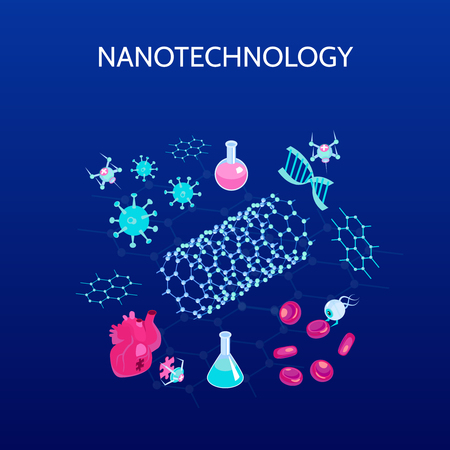
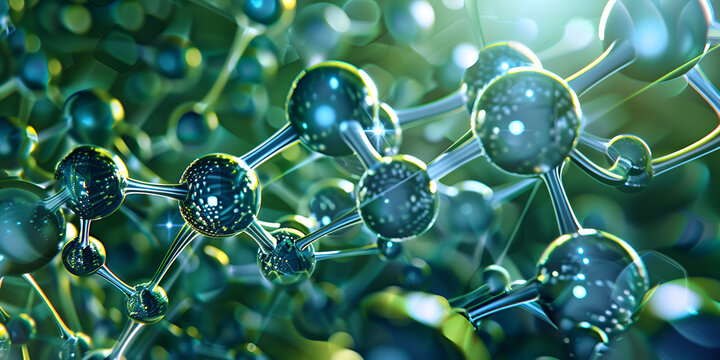
Nanotechnology Illustration
Visualization of nanostructures at the atomic scale

The Future of Nanotechnology

As nanotechnology continues to evolve, we can expect groundbreaking advancements in areas such as:

Interactive Nanoscale Comparison

1 meter
1 millimeter
1 micrometer
1 nanometer
0.1 nanometer (1 Ångström)

Click on the scales to visualize the size difference!

Industry-Specific Applications

Aerospace

Lightweight, high-strength materials for aircraft and spacecraft. Nanocoatings for improved fuel efficiency and durability.

Agriculture

Nano-encapsulated pesticides and fertilizers for controlled release. Nanosensors for crop monitoring and soil analysis.

Textiles

Self-cleaning fabrics, antimicrobial clothing, and smart textiles with embedded nanosensors for health monitoring.

Food Industry

Nanopackaging for extended shelf life, nanosensors for detecting contaminants, and nanoencapsulation for improved nutrient delivery.

Milestones in Nanotechnology

Frequently Asked Questions about Nanotechnology

What exactly is nanotechnology?

Nanotechnology is the science, engineering, and technology conducted at the nanoscale, which is about 1 to 100 nanometers. It involves manipulating matter at the atomic and molecular level to create new materials and devices with unique properties.

How small is a nanometer?

A nanometer is one billionth of a meter. To put this in perspective, a human hair is about 80,000-100,000 nanometers wide.

What are some everyday products that use nanotechnology?

Many products already incorporate nanotechnology, including sunscreens, stain-resistant clothing, scratch-resistant coatings for cars and electronics, and some food packaging materials.

Is nanotechnology safe?

Like any technology, nanotechnology has potential risks and benefits. Researchers are actively studying the safety of nanomaterials. Regulatory bodies worldwide are working to ensure the safe development and application of nanotechnology.

How will nanotechnology impact the future?

Nanotechnology is expected to revolutionize many fields, including medicine, energy production, environmental remediation, and computing. It could lead to more efficient solar panels, targeted cancer treatments, and incredibly powerful computers.